
The average cost of 3-inch ductile iron (DI) pipe in 2025 ranges from $18 to $32 per linear foot, depending on wall thickness, coating specifications, and regional market dynamics. Bulk purchases (500+ tons) can reduce prices by 15–20%, while specialized coatings like ceramic epoxy or zinc-aluminum alloys add $3–$8 per foot. Key factors influencing costs include compliance with ISO 2531/EN545 standards, freight logistics from major exporters like China and India, and project-specific requirements such as seismic resistance or potable water certification. This article provides a comprehensive analysis of pricing variables, supplier benchmarks, and cost-saving strategies, backed by 2025 market data and technical specifications.
1. Material Specifications and Price Determinants
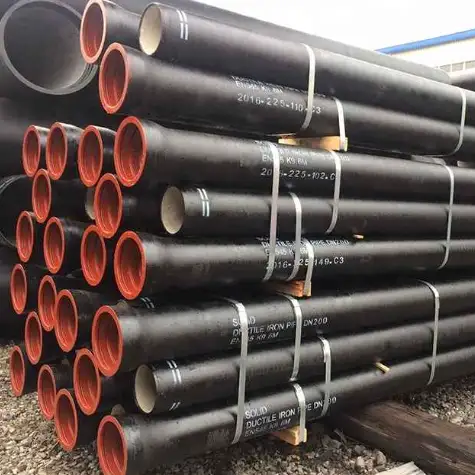
Ductile iron pipe pricing is heavily influenced by material grades and manufacturing standards. The K9 class (pressure rating: 350 psi) is the most common for 3-inch DI pipes, costing $22–$28 per foot, while C40 (high-strength, 500 psi) ranges from $28–$32 per foot. Key specifications include:
| Parameter | K9 Class | C40 Class |
|---|---|---|
| Wall Thickness | 6.3 mm | 7.1 mm |
| Yield Strength | ≥ 300 MPa | ≥ 420 MPa |
| Coating (External) | Zinc + Bitumen | Zinc-Aluminum + Epoxy |
| Compliance | ISO 2531, EN545 | ISO 2531, AWWA C151 |
| Price per Foot | $22–$28 | $28–$32 |
Manufacturers in Shandong, China, dominate global supply, offering FOB prices of $500–$800 per ton (6-meter lengths), translating to $18–$22 per foot before logistics. Indian exporters like Asha Enterprises price 3-inch DI pipes at $24–$27 per foot, including IS 8329:2000 certification.
2. Regional Price Variations
Global pricing disparities arise from labor costs, tariffs, and transportation. For example:
-
China: $18–$22 per foot (FOB Qingdao), with 10% VAT for domestic buyers.
-
USA: $28–$32 per foot (CIF), including 25% anti-dumping duties on Chinese imports.
-
EU: €25–€30 per foot ($27–$33), compliant with EN598 sewage standards.
Bulk buyers in Canada and Australia benefit from hybrid sourcing—combining Chinese raw pipes with local coating—to reduce costs by 12–15%.
3. Coatings and Corrosion Protection
External and internal coatings account for 20–30% of total costs. Common options include:
| Coating Type | Cost Add-On | Lifespan | Application |
|---|---|---|---|
| Bituminous Paint | +$2/foot | 25 years | Non-aggressive soils |
| Polyurethane | +$5/foot | 50 years | Chemical-heavy environments |
| Ceramic Epoxy | +$8/foot | 75+ years | High-temperature fluids |
Cement mortar lining (standard for potable water) adds $3/foot, while fusion-bonded epoxy (FDA-approved) increases costs by $6/foot.
4. Logistics and Import Costs
Freight expenses vary sharply by region:
-
China to USA: $40–$60 per ton ($1.20–$1.80 per foot) via sea freight; 30-day lead time.
-
India to Germany: $55–$75 per ton ($1.65–$2.25 per foot) with 10% EU import duty.
Customs delays, such as USDA inspections for cement-lined pipes, can add $0.50–$1.00 per foot in storage fees.
5. Installation and Labor Costs
Installation averages $12–$18 per foot, including:
-
Trenching: $4–$6/foot for 3-foot depth.
-
Joint Assembly: $2/foot for Tyton joints; $3.50/foot for restrained joints.
-
Pressure Testing: $1.50/foot (ASME B31.4 compliance).
Projects using robotic welding (common in the Middle East) reduce labor costs by 25% but require $8/foot equipment rentals.
6. Supplier Benchmarking
Top 2025 suppliers include:
| Supplier | Price per Foot | MOQ | Certifications |
|---|---|---|---|
| Shanxi Luokaiwei (China) | $18–$20 | 50 tons | ISO 2531, BV, WRAS |
| Asha Enterprises (India) | $24–$27 | 5 tons | IS 8329, EN545 |
| Leisure Trading Co. (China) | $19–$23 | 100 tons | AWWA C151, NSF/ANSI 61 |
Luokaiwei Co. offers 7-day production for 500+ ton orders, while Shanxi Luokaiwei provides free CAD design services.
Frequently Asked Questions (FAQs)
1. Why does ductile iron pipe cost more than PVC?
Ductile iron pipes offer superior durability (100+ years vs. PVC’s 50 years) and higher pressure ratings (350 psi vs. 150 psi). The material cost for 3-inch DI pipes is 40–60% higher, but lifecycle savings in maintenance and replacement justify the investment, especially in municipal water systems.
2. How do tariffs affect U.S. pricing for imported DI pipes?
The U.S. imposes a 25% tariff on Chinese DI pipes, raising CIF costs from $22 to $27.50 per foot. Buyers can mitigate this by sourcing from Indian suppliers (18% tariff) or using bonded warehouses.
3. What is the lead time for custom-coated DI pipes?
Custom coatings (e.g., polyurethane) add 15–20 days to production. Chinese suppliers typically require 45 days for 100-ton orders, while Indian factories average 60 days due to stricter QC checks.
4. Are DI pipes suitable for seismic zones?
Yes. Class C40 DI pipes with restrained joints (costing $30–$32/foot) withstand ±2 inches of lateral movement, making them ideal for earthquake-prone regions like California and Japan.
5. How does pipe wall thickness impact pricing?
A 10% increase in wall thickness (e.g., from K9 to C40) raises material costs by 18–22%. However, thicker walls reduce long-term expenses by minimizing leakage risks in high-pressure systems.
6. What certifications are critical for potable water DI pipes?
NSF/ANSI 61 (USA), WRAS (UK), and ACS (France) certifications are mandatory. Suppliers like Leisure Trading Co. charge a 5–8% premium for NSF-certified pipes.
References:
ISO 2531: Ductile Iron Pipes, Fittings, Accessories and Their Joints for Water Applications
— International Organization for Standardization (ISO)
AWWA C151: Ductile-Iron Pipe, Centrifugally Cast, for Water or Other Liquids
— American Water Works Association (AWWA)
NSF/ANSI 61: Drinking Water System Components – Health Effects Certification
— NSF International
Coatings: Types and Applications (including Ceramic Epoxy and Zinc-Aluminum Coatings)
— Wikipedia (for coating technology overview)

 EN
EN  AR
AR