
The price of ductile iron fittings varies from 500+ per unit in 2025, depending on type (elbows, tees, reducers), size (2″ to 48″), pressure class (K7/K9/K10), and coating (epoxy, zinc, or cement lining). As key components in water, sewage, and industrial piping systems, ductile iron fittings comply with AWWA C110/C153, EN 545/598, and ISO 2531 standards, ensuring corrosion resistance and 50+ year lifespans.
1. Introduction to Ductile Iron Fittings
Ductile iron fittings are essential components in various piping systems, known for their strength, durability, and flexibility. They are widely used in water distribution, sewage, and industrial applications due to their ability to withstand high pressures and resist corrosion.
1.1 What Are Ductile Iron Fittings?
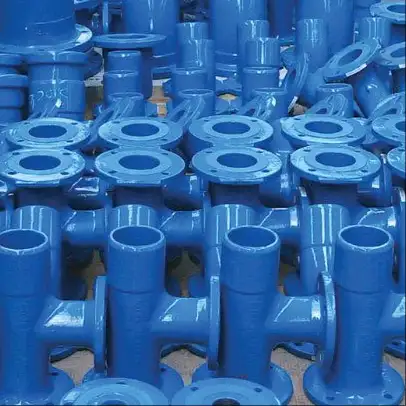
Ductile iron fittings are made from ductile cast iron, a type of cast iron known for its impact and fatigue resistance, elasticity, and toughness. These fittings include a range of components such as elbows, tees, reducers, and flanges, which are used to connect pipes and change the direction or diameter of the piping system.
1.2 Applications of Ductile Iron Fittings
These fittings are commonly used in:
-
Municipal water and wastewater systems
-
Industrial piping systems
-
Fire protection systems
-
Irrigation systems
-
HVAC systems
1.3 Advantages of Ductile Iron Fittings
Some of the key benefits include:
-
Strength and Durability: Able to withstand high pressures and mechanical stress.
-
Corrosion Resistance: Often lined or coated to resist corrosion, extending service life.
-
Versatility: Suitable for a wide range of applications and environments.
-
Ease of Installation: Available in various joint types for different installation needs.
2. Market Trends and Pricing Overview in 2025
The ductile iron fittings market in 2025 is influenced by various factors, including raw material costs, demand in infrastructure projects, and technological advancements. Understanding these trends is crucial for stakeholders in the industry.
2.1 Global Market Outlook
According to recent market reports, the global ductile iron fittings market is projected to reach $14,073.5 million by 2033, growing at a CAGR of 6.751% from 2025 to 2033.
2.2 Regional Market Insights
-
North America: Expected to hold 20.71% of the global market share in 2025, with significant growth driven by infrastructure development and replacement of aging pipelines.
-
Europe: Anticipated to account for 11.79% of the market, with growth supported by urbanization and environmental regulations.
-
Asia Pacific: Projected to dominate with 50.44% market share, fueled by rapid industrialization and urban infrastructure projects.
2.3 Pricing Trends
The Producer Price Index (PPI) for ductile iron pressure pipe and fittings in the U.S. has shown fluctuations, with a value of 422.927 in September 2023. Prices are influenced by factors such as raw material costs, manufacturing expenses, and demand-supply dynamics.
3. Factors Influencing Ductile Iron Fitting Prices
Several elements impact the pricing of ductile iron fittings:
3.1 Raw Material Costs
The cost of iron and alloying elements directly affects the price of ductile iron fittings. Fluctuations in the global metal markets can lead to price variability.
3.2 Manufacturing Processes
Advanced manufacturing techniques and quality control measures can increase production costs but result in higher-quality products.
3.3 Transportation and Logistics
Shipping costs, influenced by fuel prices and transportation infrastructure, play a role in the final pricing of fittings.
3.4 Regulatory Compliance
Adherence to industry standards and environmental regulations may require additional testing and certification, impacting costs.
4. Comparative Analysis: Ductile Iron vs. Alternative Materials
When selecting piping materials, it’s essential to compare ductile iron fittings with alternatives like PVC and HDPE.
4.1 Ductile Iron vs. PVC
-
Strength: Ductile iron offers higher mechanical strength compared to PVC.
-
Durability: Longer service life and better resistance to physical damage.
-
Cost: PVC may have lower initial costs but higher long-term maintenance expenses.
4.2 Ductile Iron vs. HDPE
-
Flexibility: HDPE is more flexible, suitable for areas with ground movement.
-
Installation: HDPE allows for trenchless installation methods.
-
Performance: Ductile iron provides better flow characteristics and pressure ratings.
5. Price Comparison Table
| Material | Average Cost per Foot | Service Life | Maintenance Costs | Installation Complexity |
|---|---|---|---|---|
| Ductile Iron | $25 – $40 | 100+ years | Low | Moderate |
| PVC | $10 – $20 | 50-70 years | Moderate | Low |
| HDPE | $20 – $30 | 50-100 years | Low | Low |
6. Frequently Asked Questions (FAQs)
Q1: What factors contribute to the higher cost of ductile iron fittings compared to PVC?
A1: Ductile iron fittings generally have higher initial costs due to factors such as the price of raw materials, manufacturing processes, and compliance with stringent industry standards. However, they offer superior strength, durability, and longevity, which can result in lower total cost of ownership over time.
Q2: How does the service life of ductile iron fittings compare to alternative materials?
A2: Ductile iron fittings typically have a service life exceeding 100 years, outperforming materials like PVC and HDPE, which have service lives ranging from 50 to 100 years. This extended lifespan reduces the need for frequent replacements and maintenance.
Q3: Are ductile iron fittings suitable for all types of soil and environmental conditions?
A3: Ductile iron fittings are versatile and can be used in various soil types and environmental conditions. They are often coated or lined to enhance corrosion resistance, making them suitable for both aggressive soils and corrosive environments.
Q4: What are the environmental impacts of using ductile iron fittings?
A4: Ductile iron is a recyclable material, and many manufacturers use recycled content in production. Its long service life and durability also contribute to environmental sustainability by reducing the frequency of replacements and associated resource consumption.
Q5: How do installation costs compare between ductile iron and alternative materials?
A5: While the material cost of ductile iron fittings may be higher, installation costs can be comparable or even lower in some cases due to the availability of various joint types and the robustness of the material, which can reduce the need for specialized installation techniques.
 EN
EN  AR
AR